Asphalt Resurfacing & Overlay in Columbia, SC
Fresh wearing course over a sound base — restoring driveways and lots at a fraction of full replacement cost.
Request Your Free Estimate (803) 369-3545Asphalt Resurfacing & Overlay in Columbia, SC
A1 Asphalt Columbia resurfaces residential driveways and commercial parking lots across Columbia and the surrounding Midlands. When the existing base is still sound but the surface has reached the end of its service life, resurfacing puts a fresh asphalt layer down without the time and cost of a full reconstruction. We evaluate every surface honestly — if a resurface will give you another 10 to 15 years, that's what we'll quote. If the base is too far gone, we'll tell you that too.
Resurfacing vs. Replacement — How We Decide
Resurfacing is the right call when the existing pavement has a sound, intact base but the surface course has oxidized, cracked, or worn down past the point sealcoat can help. The base test is straightforward: walk the surface, check for rocking or settled areas, look for alligator cracking patterns, and probe any soft spots. If the failures are limited to the surface — block cracks, raveling, surface oxidation, isolated potholes that patch cleanly — resurfacing is usually the better economic call. If the base is failing across the lot or driveway (rutting, ponding, widespread alligator cracking), resurfacing won't last. The new asphalt will mirror the underlying failure within a couple of years. In those cases we'll quote replacement or selective base repair plus overlay so you don't pay twice.

Get Your Free Estimate
Limited Slots Available This Month!
Mill-and-Overlay Done Right
A proper resurfacing isn't just dumping new mix on top of the old surface. We start by addressing the existing pavement — milling out the top inch or two of asphalt at edges, around utilities, and along curb lines so the new layer ties in flush instead of stepping up above grade. On bigger jobs we mill the full surface to a consistent depth before paving back. Crack filling is done before the overlay so existing cracks don't telegraph through the new surface immediately. The existing asphalt gets a tack coat — a thin emulsion that bonds the old surface to the new lift — before the paver lays fresh mix. We typically overlay at a 1.5 to 2 inch thickness depending on the project, with proper roller compaction. Done right, a Midlands resurface will give you the same look and almost the same service life as new pavement at roughly half the cost.
When Overlay Is the Wrong Answer
Property owners sometimes ask for an overlay when what the lot really needs is reconstruction. Putting fresh asphalt over a failed base wastes money — and looks worse two years later than the surface that was there before. We've turned down resurfacing jobs in Columbia because the honest answer was that the pavement was past saving. We'll always tell you what the underlying surface needs, and we'll always show you the failure patterns we're looking at when we make the call. The resurface vs. replace decision often determines whether you spend money once or three times over the next decade, and we'd rather lose a job than steer a customer wrong on it.
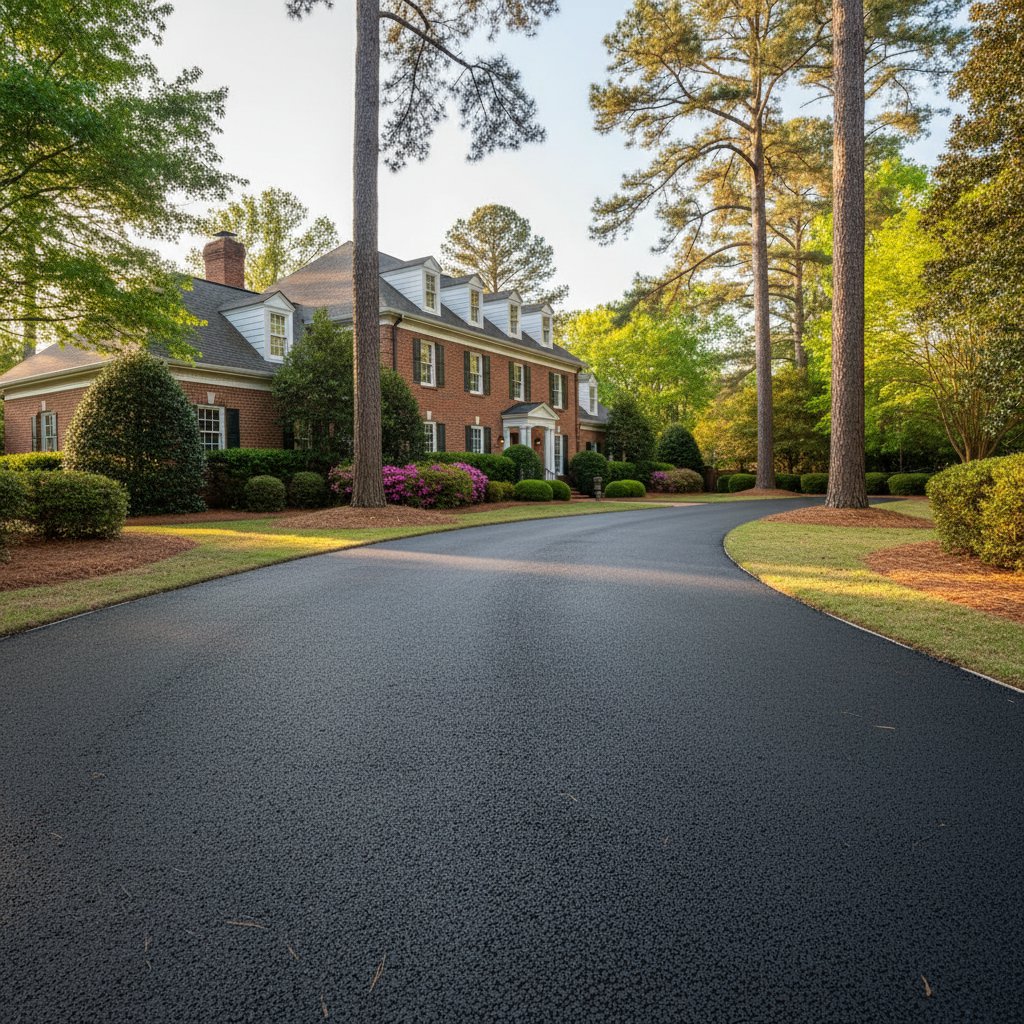
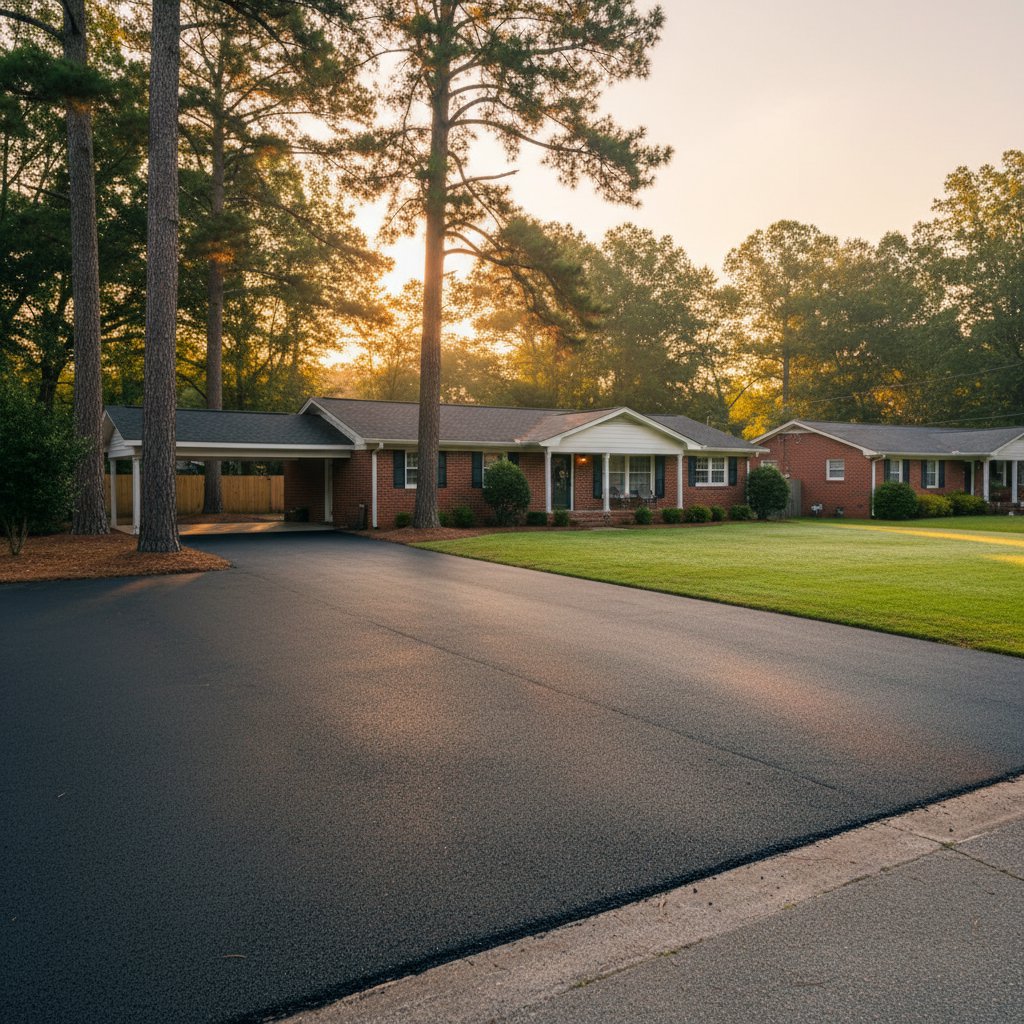
Recent Resurfacing Projects in the Midlands
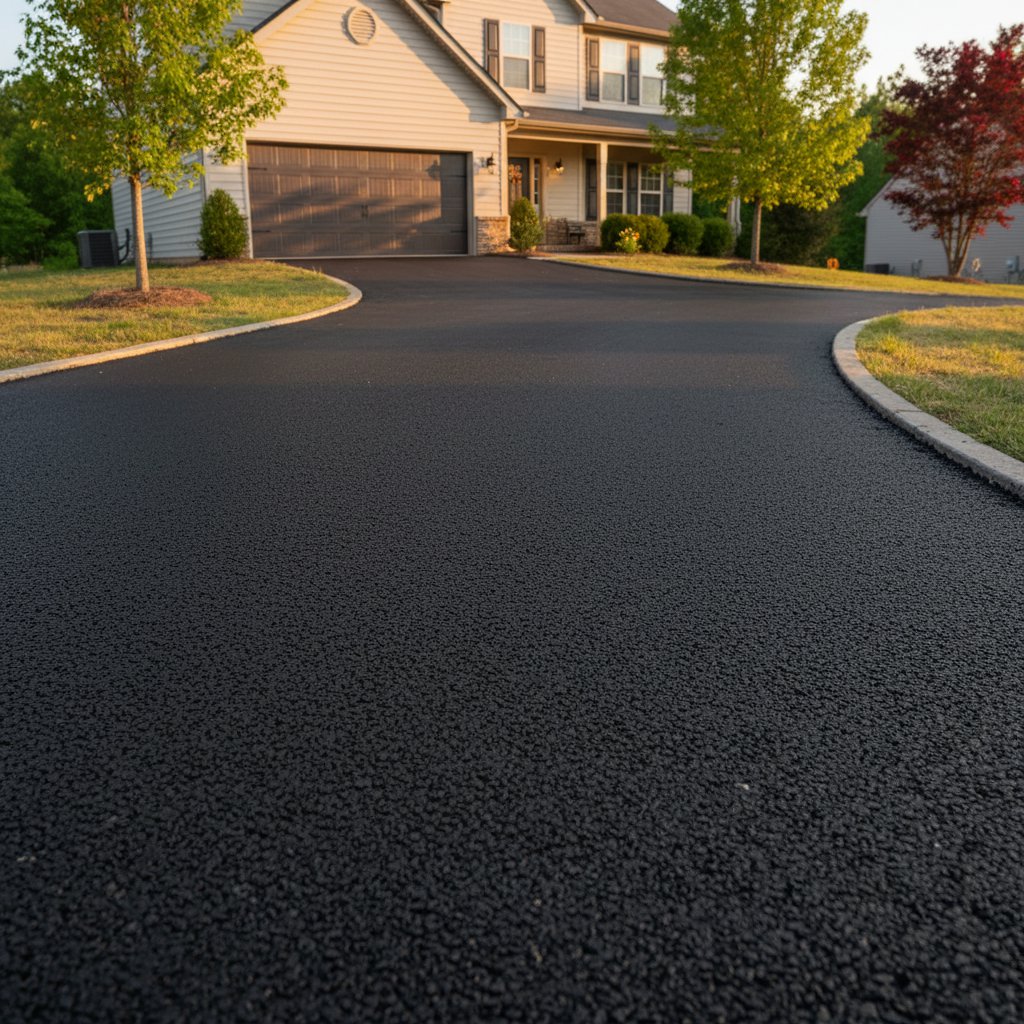
Signs Your Surface Is Ready to Resurface
Resurfacing is at its most cost-effective when the surface is tired but the base is still solid. Here's what tells us you're in that window.
Surface Oxidation and Raveling
Gray, faded pavement with loose surface aggregate means the binder has oxidized out. The base is usually fine; the wearing course is just done.
Block Cracks Without Base Failure
Rectangular cracking patterns from binder shrinkage indicate surface fatigue but not necessarily base failure. A fresh overlay over crack-filled prep restores the surface.
Surface Patches Holding Up But Multiplying
If individual patches stay put but new ones keep appearing, the surface course is reaching the end of its service life. A full resurface saves you from continued patch-by-patch spending.
Faded Look and Heavy Crack-Fill Burden
When you're spending real money each year on crack filling and sealcoating just to keep the surface looking acceptable, a one-time resurface usually beats the recurring maintenance bill.
Our Resurfacing Process
Every overlay project follows the same prep-first sequence — and we'll always tell you if the surface should be replaced instead.
Surface Evaluation
We walk the existing pavement, identify the failure mode, check for base integrity, and confirm that an overlay is the right approach for the long term.
Milling and Crack Prep
Edges and tie-in points are milled to depth, existing cracks are routed and filled, and any failed sections of base get cut out and repaired before the overlay.
Tack Coat and Overlay
The prepared surface gets a uniform tack coat for proper bond, and fresh hot-mix asphalt is paved at 1.5 to 2 inches and rolled to density.
Restripe and Cleanup
On parking lots we restripe stalls, lanes, and ADA markings once the surface has cured. All milling spoil and debris are hauled off the same day the work finishes.
What Our Clients Say
"Long gravel driveway off Devine Street that had washed out twice in heavy summer storms. Their crew regraded the whole approach, ran a proper compacted base, and laid hot mix that's holding tight against the front porch line. After two seasons of August downpours, no rutting, no soft spots — just a clean black surface that drains the way it should."

Ready to Resurface?
Call A1 Asphalt Columbia at (803) 369-3545 or request an estimate online. We'll walk your surface, give you an honest read on overlay vs. replacement, and quote the right approach.